





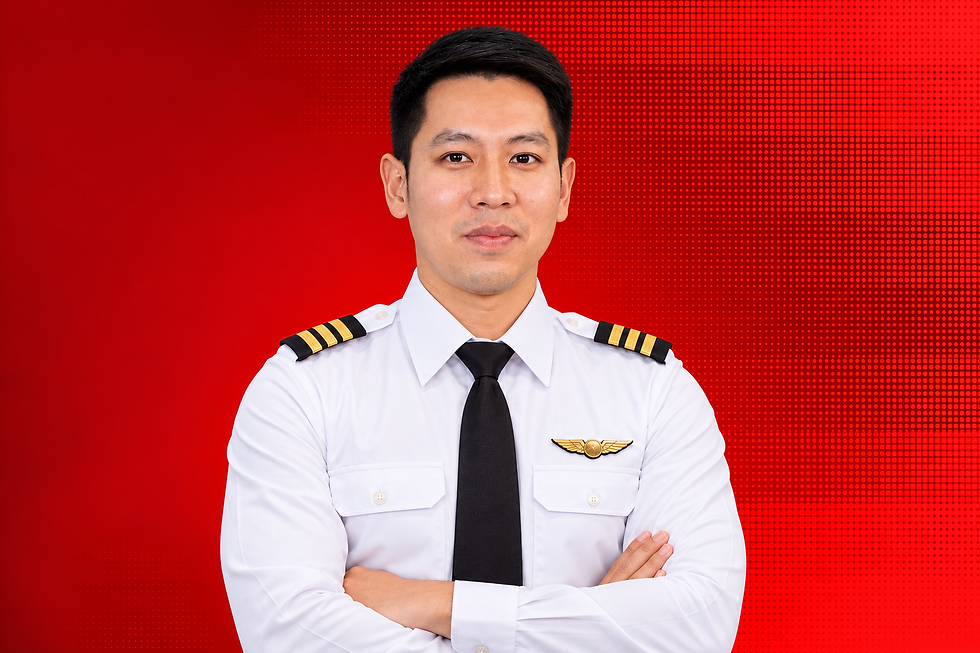


FIA PILOT® Your Journey to the Cockpit Begins in Canada 2027


For aspiring pilots across Asia preparing for 2027, studying aviation in Canada begins with understanding the training pathway, choosing a suitable school and preparing for life overseas.
The first solo flight is a milestone many future pilots dream about. Reaching that moment takes preparation long before entering the cockpit—from understanding licence requirements to developing the discipline needed for ground school and practical training.
For students considering flight training in Canada, a clear plan can turn a broad ambition into a series of achievable steps.
Understanding the Training Pathway
Pilot education combines theoretical knowledge with practical flying skills. Students work through ground instruction, supervised flight training, examinations and flight tests as they progress towards the licence they are seeking.
A common professional training route begins with a Private Pilot Licence, followed by further experience and training towards a Commercial Pilot Licence. Additional qualifications, such as an instrument rating, a multi-engine rating or a flight instructor rating, depend on the student’s intended career direction.
Each stage has its own requirements. Applicants should understand exactly which licences and ratings their chosen programme includes before committing to enrolment.
Choosing a School That Fits Your Goals
Choosing a flight school requires more than comparing photographs of aircraft or advertised tuition fees.
Prospective students should ask about instructor availability, aircraft access, training schedules, facilities and how progress is assessed. It is also important to understand how the school calculates charges and what happens when a student needs additional training.
Transport Canada provides guidance and a Flight Training Units Search to help applicants research schools and the training they offer.
A useful starting point is to ask the school for a written explanation of the proposed training route, estimated costs and enrolment requirements.
Planning Beyond Tuition Fees
A realistic study budget should account for accommodation, everyday living expenses, transportation, equipment and any costs excluded from the training estimate.
Students should also ask how additional flight hours are charged. An estimate based on minimum requirements may differ from the amount an individual student ultimately needs to complete training.
Allowing flexibility in both the budget and the schedule can help families prepare for changes during the programme.
Preparing for Student Life Overseas
Moving abroad brings responsibilities beyond studying. Managing time, organising daily expenses and communicating confidently with instructors all become part of the experience.
Applicants can begin preparing by strengthening their English, developing consistent study habits and learning to ask questions when something is unclear.
A willingness to accept feedback is equally valuable. Flight training involves continuous assessment, reflection and improvement.
Taking the First Step with FIA PILOT®
For Admission 2027, FIA PILOT® is connecting eligible applicants across Asia with a pathway towards flight training at Montair Aviation in Canada.
FIA PILOT® coordinates candidate selection and preparation, while Montair Aviation delivers the flight training. Applicants should review the published admissions criteria, programme details and fees before selecting their route.
The journey begins with an informed decision and a commitment to learning.
Explore Admission 2027 at www.fiapilot.com or contact admissions@fiapilot.com.




Comments