




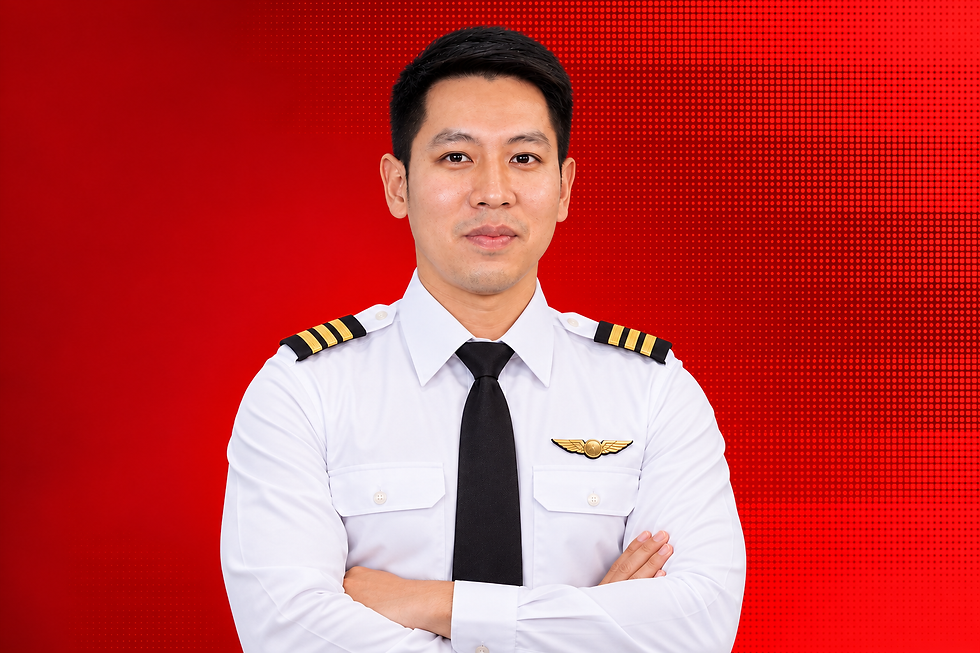


What It Really Takes to Go From Student Pilot to Captain


he first solo flight is a milestone. The captain’s seat is a long-term ambition. Between them lies a journey built on preparation, experience and responsibility.
Every aviation career begins with a first step: exploring a training programme, opening a ground school textbook or sitting in the cockpit for the first time. For aspiring pilots, those early moments can make a distant ambition feel possible.
But what does it really take to progress from student pilot to captain?
FIA PILOT takes a closer look at the mindset behind the journey and why the foundations matter from day one.

Preparation Starts Before Take-off
Flight training demands commitment well before the aircraft leaves the ground. Students must learn to connect theory with practical decisions, turning their understanding of weather, navigation, aircraft systems and operating procedures into sound preparation for each flight.
Just as valuable is the willingness to ask questions. Arriving prepared, recognising a gap in understanding and responding constructively to an instructor’s feedback are habits worth developing from the beginning.
The aim is to understand how to operate safely and consistently, with an awareness of both the aircraft’s limitations and your own.

First Solo: A Milestone With Meaning
Few moments in training carry the significance of a first solo flight. With the instructor on the ground, the student takes responsibility for flying the aircraft independently within the limits of their authorisation.
It is a moment to celebrate and a foundation for the learning still ahead.
For students working towards a professional flying career, each subsequent stage brings new demands. Greater independence must be supported by stronger preparation, clearer judgement and the ability to recognize when conditions call for a different plan.
Competence Goes Beyond Aircraft Handling
Precise flying is one part of a much broader skill set. ICAO’s pilot competency framework also recognises communication, leadership and teamwork, problem-solving, decision-making, situation awareness and workload management.
These skills matter because pilots work with people, information and changing circumstances throughout a flight. A clear briefing, a timely question or the decision to reassess a situation can be as important as a well-executed manoeuvre.
Developing that standard takes deliberate practice and honest reflection. Every debrief is an opportunity to understand what went well, what needs attention and how to improve on the next flight.
From Qualifications to Professional Experience
The route into professional aviation varies by country, training pathway and employer. Qualifications create opportunities to progress, while experience helps pilots apply their knowledge across a wider range of operational situations.
There is no single timetable that takes every student from their first lesson to an airline flight deck or from first officer to captain. Progress depends on the relevant licensing requirements, demonstrated competence, recruitment opportunities and an operator’s command selection and training process.
For aspiring pilots, this makes realistic planning essential. Training costs, eligibility, study commitments and potential career pathways all deserve careful consideration before making a decision.
Command Means Responsibility
The ambition to become a captain reaches beyond the title. It means preparing to lead, listen and make decisions while keeping safety at the centre of the operation.
That mindset can begin during student training: taking preparation seriously, communicating clearly, accepting feedback and knowing when to seek support.
At FIA PILOT, we encourage aspiring aviators to approach their future with both ambition and a clear understanding of the work ahead. Through our student pilot admissions focus, we aim to help applicants understand their next steps and prepare for the demands of flight training.
The captain’s seat may be a future destination. The habits that support that responsibility can start with the very first lesson.



Comments